Dynamics 365 CRM

key features of microsoft dynamics 365 crm

Key Features of CRM (Customer Relationship Management)
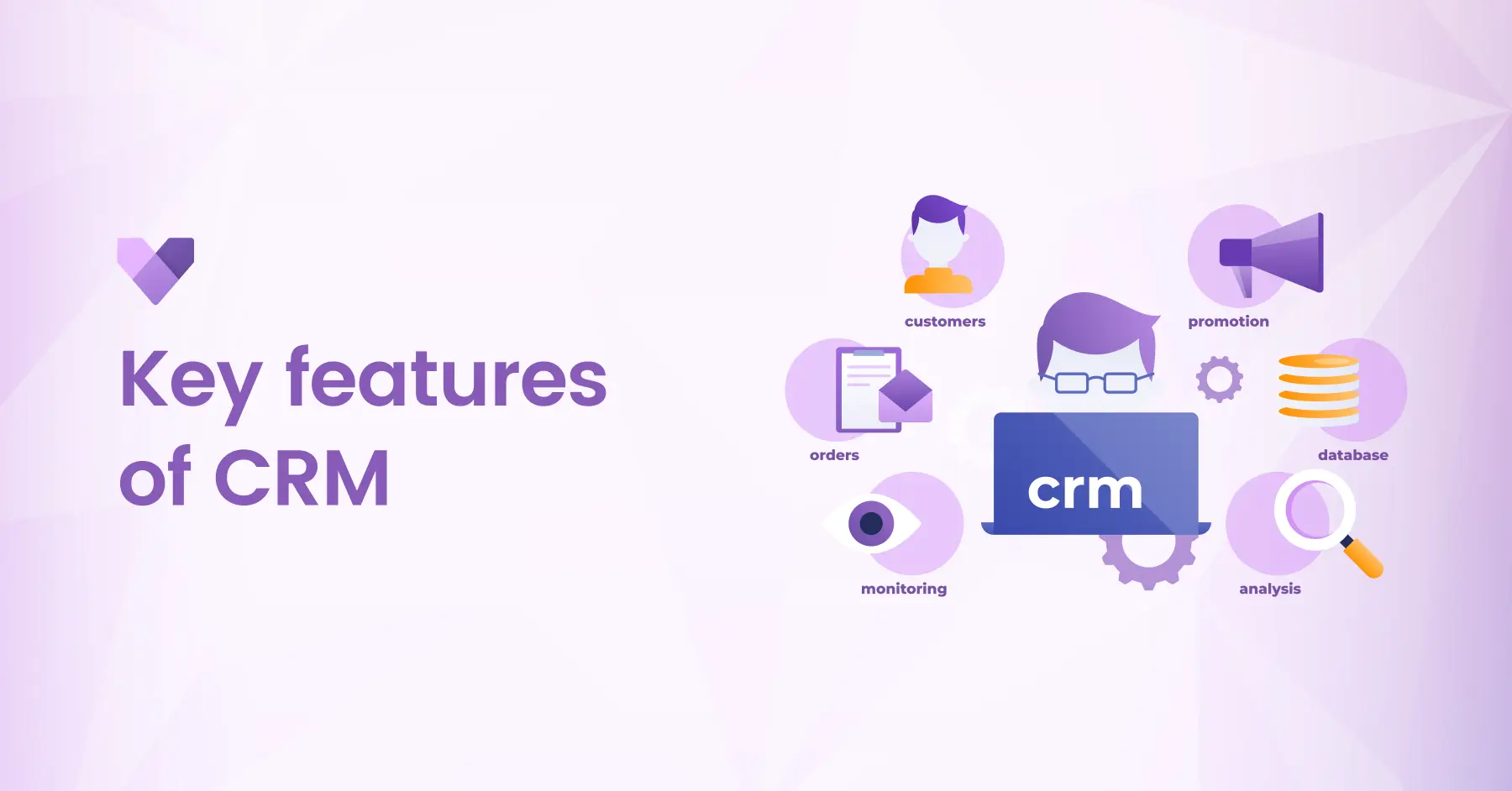
Key Features of Microsoft Dynamics 365 CRM: Transforming Customer Relationships

key features of microsoft dynamics 365 crm

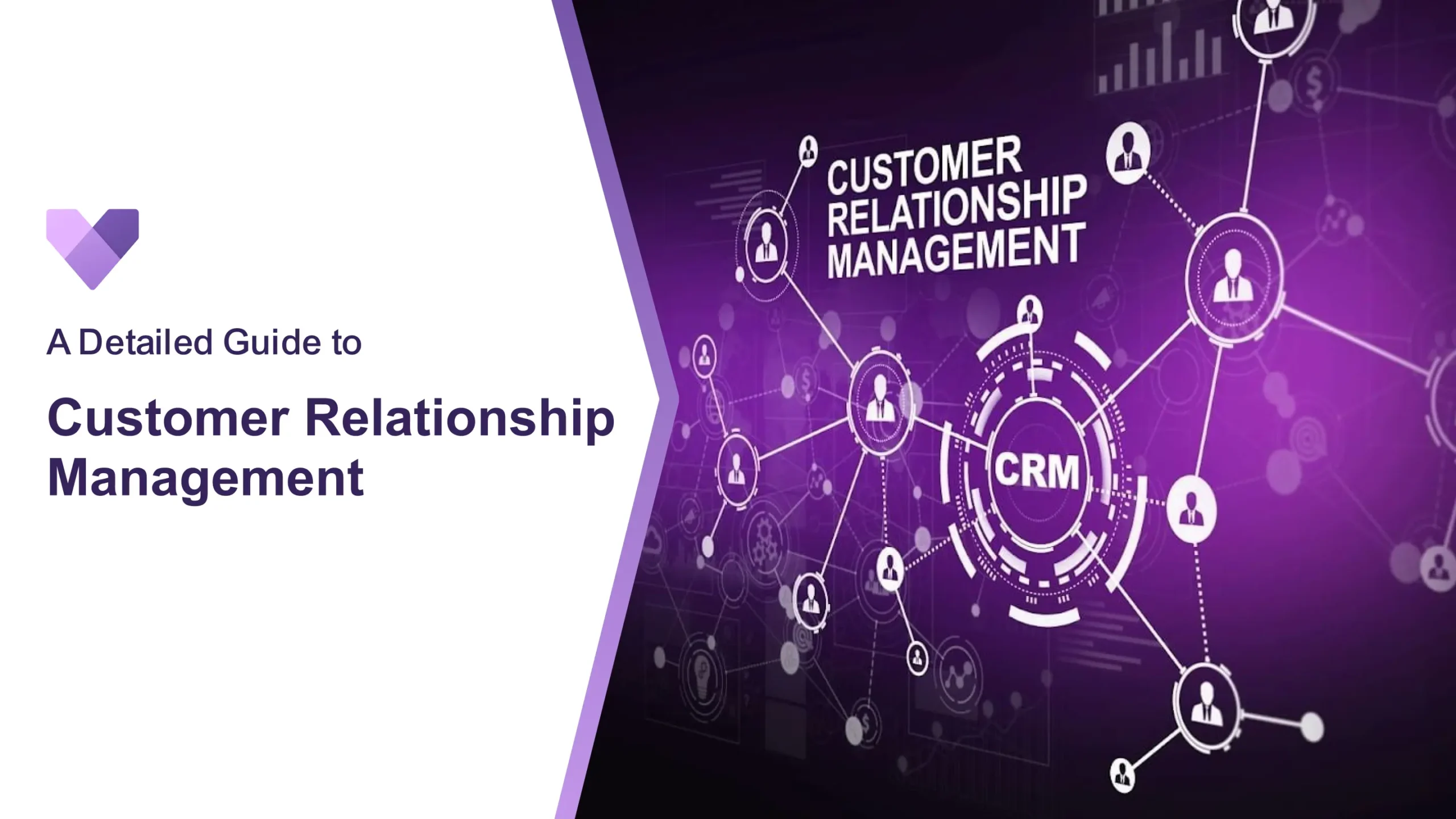
In today’s competitive business world, building and maintaining strong customer relationships is the foundation of success. Organizations need a powerful and flexible Customer Relationship Management (CRM) system that not only helps manage customer interactions but also drives productivity and growth. Microsoft Dynamics 365 CRM, a part of the Microsoft Dynamics 365 suite, is designed to do just that offering intelligent tools to streamline sales, service, marketing, and beyond. Let’s explore in detail the key features of Dynamics 365 CRM that can help your organization strengthen relationships, improve efficiency, and achieve business excellence.

Introduction to Microsoft Dynamics 365 CRM

Microsoft Dynamics 365 CRM is a cloud-based solution that unifies customer data, automates key processes, and empowers teams to deliver exceptional customer experiences. From tracking leads to resolving customer issues and optimizing marketing efforts, Dynamics 365 CRM provides everything businesses need to nurture relationships and drive growth, all from a single, integrated platform.


By combining insights, automation and AI-driven intelligence, it helps organizations move beyond transactional interactions to build long-lasting customer trust and loyalty.

Key Features of Microsoft Dynamics 365 CRM
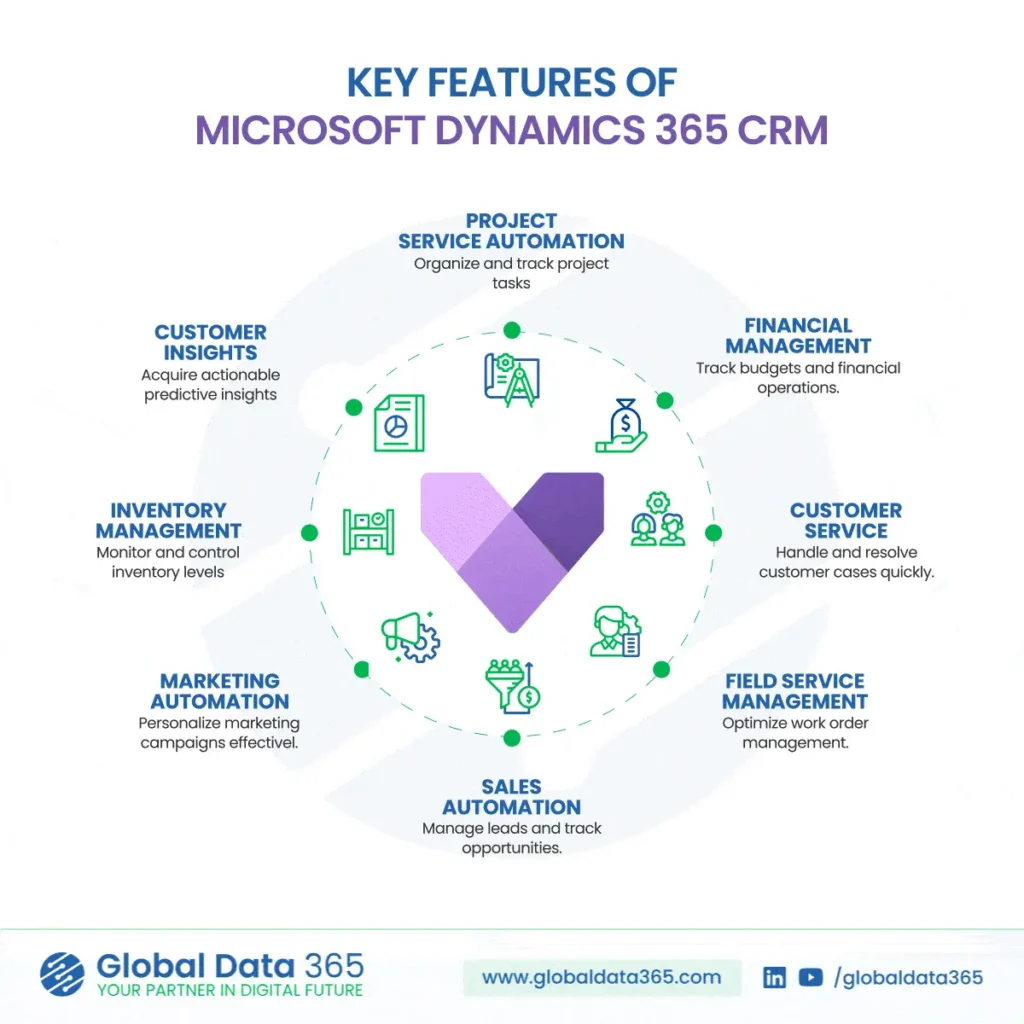
key features of crm

1. Project Service Automation

Efficient project management lies at the heart of business success. Dynamics 365 CRM simplifies how organizations organize, track and deliver projects on time and within budget.

  • Create and manage project tasks and milestones.

  • Track resource allocation, costs, and progress in real time.

  • Improve collaboration between teams and ensure project transparency.

With integrated automation and analytics, businesses can achieve higher accuracy, better forecasting, and greater customer satisfaction.

2. Financial Management

Dynamics 365 CRM allows organizations to maintain tight control over financial operations and ensure data-driven decision-making.

  • Track project budgets and monitor financial performance.

  • Automate billing, invoicing, and payment tracking.

  • Gain real-time visibility into revenue streams and expenses.

By integrating with other Dynamics 365 applications, such as Business Central, businesses can achieve a unified financial and operational ecosystem that enhances profitability and control.

3. Customer Service Management

Customer satisfaction is crucial for retention and growth. Dynamics 365 CRM empowers service teams to handle and resolve cases quickly and efficiently with tools designed for superior customer support.

  • Manage and assign customer cases automatically.

  • Access complete customer histories for personalized service.

  • Utilize AI-driven insights to predict issues and recommend solutions.

The result: faster resolutions, improved satisfaction, and stronger customer loyalty.

4. Field Service Management

For organizations that rely on field operations, Dynamics 365 CRM offers tools to optimize work order management and deliver seamless field service experiences.

  • Schedule and dispatch field technicians efficiently.

  • Track job progress and resource utilization in real time.

  • Enable mobile access for on-site teams to update information instantly.

This ensures consistent service quality, reduced downtime, and enhanced productivity across all service locations.

5. Sales Automation

Sales teams thrive on clarity, collaboration and actionable insights. Dynamics 365 CRM automates sales workflows to help you manage leads and track opportunities from prospect to close.

  • Capture, nurture, and score leads automatically.

  • Track pipeline performance and forecast revenue accurately.

  • Collaborate seamlessly with real-time customer data.

By providing a complete view of every customer interaction, sales teams can focus on what matters most — building relationships and driving conversions.

6. Marketing Automation

Personalized engagement is key to successful marketing. With Dynamics 365 CRM, marketers can plan, execute and measure campaigns with precision.

  • Segment audiences and deliver targeted campaigns.

  • Automate email journeys and nurture leads efficiently.

  • Analyze campaign performance with real-time dashboards.

Marketing Automation ensures that every campaign feels personal, relevant, and impactful — driving stronger brand connections and better ROI.

7. Inventory Management

Even within CRM, operational visibility matters. Dynamics 365 CRM allows businesses to monitor and control inventory levels to meet customer demand efficiently.

  • Track stock levels and item availability in real time.

  • Automate reorder processes to avoid shortages or overstocking.

  • Integrate with supply chain systems for end-to-end visibility.

This level of transparency helps maintain smooth order fulfillment and enhances customer trust.

8. Customer Insights

Every interaction tells a story and Dynamics 365 CRM helps you listen. With Customer Insights, businesses can leverage AI and analytics to uncover patterns, predict behavior and personalize engagement.

  • Analyze customer journeys and buying trends.

  • Build unified customer profiles from multiple data sources.

  • Deliver predictive recommendations to sales and service teams.

By turning raw data into actionable insights, organizations can anticipate customer needs and exceed expectations.

In Conclusion

Microsoft Dynamics 365 CRM offers more than just customer management it’s a complete solution that empowers organizations to build meaningful relationships, improve operational efficiency, and make smarter business decisions. From sales and service automation to marketing intelligence and project management, its powerful features of CRM transform how you connect with customers.


By leveraging its integrated capabilities, your teams can work more collaboratively, respond faster, and deliver personalized experiences that drive loyalty and growth. Microsoft Dynamics 365 CRM enables you to streamline your processes, enhance customer satisfaction, and accelerate business success making it the ultimate tool to strengthen your organization’s relationship with customers and achieve long-term growth.

Transform your customer relationships with Dynamics 365 CRM

Share this blog on:

Search Blog

About Us

Global Data 365 is composed of highly skilled professionals who specialize in streamlining the data and automate the reporting process through the utilization of various business intelligence tools.

Follow us on:

Still using Jet Basics?

Get Free Upgrade
to Jet Reports

jet services

Subscribe to Our Newsletter

Key Features of Microsoft Dynamics 365 CRM: Transforming Customer Relationships Read More »

Microsoft Dynamics 365 Solution

Microsoft Dynamics 365 Solution: Driving Digital Transformation

Microsoft Dynamics 365 Solution: Driving Digital Transformation

Microsoft Dynamics 365 Solution

In today’s highly competitive market, businesses need integrated solutions that streamline operations, enhance productivity and provide valuable insights. Microsoft Dynamics 365 emerges as a transformative platform, combining the capabilities of Customer Relationship Management (CRM) and Enterprise Resource Planning (ERP) into a unified solution.


In this blog, we will explore what Microsoft Dynamics 365 is, its key benefits, and core functionalities, demonstrating how it can revolutionize business operations.

What is Microsoft Dynamics 365 Solutions?

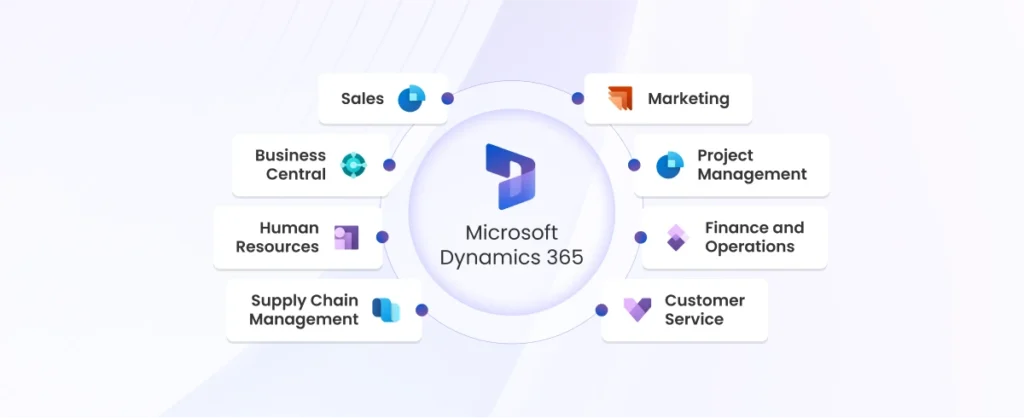
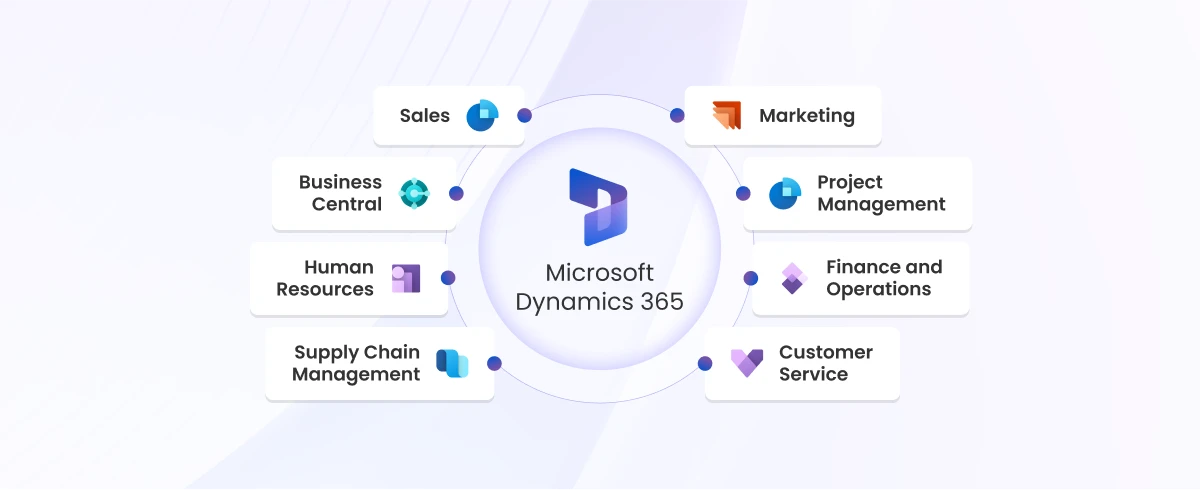
Microsoft Dynamics 365 is a suite of intelligent business applications that help organizations run their entire business and deliver greater results through predictive, AI-driven insights. It seamlessly integrates CRM and ERP capabilities, providing a comprehensive solution for managing customer relationships, finances, operations and more.

Components:

Dynamics 365 is divided into two main modules:

  • Customer Relationship Management (CRM)
  • Enterprise Resource Planning (ERP)

Customer Relationship Management (CRM):

This module focuses on sales, customer service, marketing and field service. It helps businesses improve customer engagement and drives sales growth.

Enterprise Resource Planning (ERP):

This module covers financials, supply chain management, manufacturing and human resources. It enhances operational efficiency and provides real-time insights into business performance.

Key Features of MD365 Solution

  • Cloud Integration: Dynamics 365 is a cloud-based solution, ensuring accessibility from anywhere and facilitating collaboration across different departments.

  • AI Capabilities: It leverages artificial intelligence to provide predictive analytics, automate routine tasks and offer actionable insights.

  • Real-Time Data Analytics: Businesses can make data-driven decisions with real-time analytics and reporting tools.

  • Customizable Modules: Dynamics 365 offers a range of modules tailored for specific business needs, such as sales, marketing, finance, and operations, which can be customized to align with organizational workflows.

  • Seamless Integration: It integrates seamlessly with other Microsoft tools like Power BI, Office 365, and Azure, as well as third-party applications, enabling a unified ecosystem for enhanced productivity.

  • Enhanced Security: Built on Microsoft’s secure Azure platform, Dynamics 365 ensures data protection with advanced encryption, compliance with global standards, and robust access control measures.

  • Scalability and Flexibility: Dynamics 365 grows with your business, offering flexible licensing options and the ability to scale up or down to meet changing operational requirements.

Benefits of MD365 Solution

  • Customization: Dynamics 365 offers extensive customization options, allowing businesses to tailor the solution to their specific requirements. Custom workflows, applications, and integrations can be developed to meet unique business needs.
  • Integration: Microsoft Dynamics 365 seamlessly integrates with other Microsoft products, such as Office 365, Azure, and Power BI, and third-party applications. This enhances its functionality and ensures smooth operations across different business processes.
  • Unified Platform: One of the standout advantages of Microsoft Dynamics 365 is its unified platform that integrates CRM and ERP functionalities. This eliminates data silos and provides a single source of truth, enabling better decision-making and streamlined operations.
  • Scalability: Dynamics 365 is highly scalable, making it suitable for businesses of all sizes. Whether you are a small startup or a large enterprise, Dynamics 365 can scale your business, adapting to changing needs and growth.

Core Functionalities

Sales and Marketing

Microsoft Dynamics 365 enhances sales and marketing efforts with tools for lead management, customer insights, and automated marketing campaigns. Sales teams can track customer interactions, manage pipelines, and close deals more effectively. Marketing teams can create targeted campaigns and measure their impact with detailed analytics.

Customer Service

Customer service is a critical aspect of any business. Dynamics 365 improves customer service with features such as case management, service level agreements (SLAs), and self-service portals. These tools help businesses provide timely and efficient support, leading to higher customer satisfaction.

Finance and Operations

Dynamics 365 offers robust financial management tools, including budgeting, financial reporting, and operational efficiency enhancements. Businesses can manage their finances more effectively, ensuring compliance and optimizing financial performance.

Human Resources

The HR functionalities in Dynamics 365 cover recruitment, employee management, and performance tracking. HR departments can streamline hiring processes, manage employee records, and track performance metrics to enhance workforce productivity.

Supply Chain Management

Supply chain operations are crucial for businesses that deal with physical goods. Dynamics 365 optimizes supply chain management with features like inventory management, demand forecasting, and supplier collaboration. This ensures efficient supply chain operations and reduces costs.

Challenges and Solutions

Implementing a powerful solution like Microsoft Dynamics 365 can drive business transformation, but it comes with its share of challenges.

Common Challenges:
  1. Data Migration Issues: Transferring data from legacy systems can be complex, especially with inconsistent or outdated data.
  2. User Adoption: Employees may resist the new system, leading to lower adoption rates and operational inefficiencies.
  3. Integration with Existing Systems: Aligning Dynamics 365 with your current software infrastructure can be technically challenging.
  4. Customization Overload: Over-customizing the system to meet every perceived need can complicate maintenance and upgrades.
  5. Budget and Timeline Management: Misjudging project scope or underestimating costs can result in delays and budget overruns.

Effective Solutions:

  1. Data Migration:
    – Conduct a thorough data audit and cleansing before migration.
    – Leverage advanced migration tools and collaborate with experienced partners to streamline the process.
  2. User Adoption:
    – Provide hands-on training and ongoing support to ensure employees are comfortable using the new system.
    – Involve end-users in the implementation process and gather feedback to build ownership and engagement.
  3. Integration:
    – Use Dynamics 365’s robust APIs and pre-built connectors to integrate seamlessly with existing tools.
    – Engage skilled implementation experts to handle complex integration requirements.
  4. Customization Overload:
    – Focus on implementing core functionalities first and avoid over-customizing the system.
    – Regularly review customization needs to ensure they align with business goals without creating unnecessary complexity.
  5. Budget and Timeline Management:
    – Set clear project objectives and milestones from the start.
    – Work with an experienced implementation partner to plan resources, monitor progress, and manage costs effectively.

In Conclusion

Microsoft Dynamics 365 Solutions offer a comprehensive suite of tools designed to streamline business operations, enhance customer engagement, and drive growth. By integrating various functionalities such as customer relationship management (CRM), financial management, sales automation, and project management, Dynamics 365 provides a unified platform that adapts to your organization’s needs. Leveraging its real-time insights, flexible integrations, and advanced analytics, businesses can make data-driven decisions, optimize processes, and achieve strategic goals more efficiently. Embracing Dynamics 365 can significantly transform how your organization operates, ensuring that you stay competitive in a rapidly evolving marketplace.


Ready to transform your business operations with Microsoft Dynamics 365? Contact our experts today for a consultation and take the first step towards a more efficient and productive future.

Book Your Free Dynamics 365 Demo Now!

Share this blog on:

Search Blog

About Us

Global Data 365 is composed of highly skilled professionals who specialize in streamlining the data and automate the reporting process through the utilization of various business intelligence tools.

Follow us on:

Want to try Jet Analytics?

Get Free License for 30 Days

Jet Analytics Hero Section

Subscribe to Our Newsletter

Microsoft Dynamics 365 Solution: Driving Digital Transformation Read More »

what is crm

What is CRM?

What is CRM (Customer Relationship Management)?

what is crm

In an era where customer experience can make or break a business, the ability to manage and nurture customer relationships is more critical than ever. Customer Relationship Management (CRM) is the cornerstone of this effort, providing the tools and strategies businesses need to understand their customers, personalize interactions, and drive sustained growth.


From small startups to global enterprises, a well-implemented system can be the key to unlocking greater customer satisfaction, loyalty, and profitability. This guide will walk you through the essentials of CRM, highlighting its features, benefits, and strategies to ensure success.

What does CRM stand for?

CRM, or Customer Relationship Management, is a term frequently paired with words like “software,” “platform,” or “solution.” Yet, a basic definition of CRM doesn’t quite capture its true value.

What is CRM?

CRM technology enables businesses to cultivate and sustain meaningful customer relationships by streamlining how customer information is tracked and used. It acts as a central repository for all interactions across sales, support, and marketing, ensuring that everyone in the organization has access to a single, comprehensive view of the customer and clear visibility into their journey and the sales pipeline.


In today’s fast-paced environment, even the most efficient teams can find it challenging to manage the overwhelming amount of data generated throughout a customer’s lifecycle. A single lapse in this process can easily result in losing a customer’s loyalty.


This is where an integrated system becomes indispensable for customer-focused businesses. By collecting, organizing, and analyzing vital customer data—such as purchase history, behavior patterns, and individual preferences—your team can gain valuable insights into what drives your customers.


When communication is personalized, relevant, and perfectly timed, it leads to higher customer satisfaction. And satisfied customers are crucial to the success and growth of any business.

What are the features of a CRM?

Key features of crm

The systems come with a wide range of features designed to help businesses manage their customer relationships more effectively. Here are some of the most common features:

  • Contact Management: CRM systems allow businesses to store and manage customer information, including contact details, communication history, and customer preferences, in a centralized database.
  • Sales Management: CRM software helps track leads, manage the sales pipeline, and automate sales tasks, such as follow-up emails and scheduling meetings.
  • Customer Service Management: CRM systems often include tools for managing customer support, such as ticketing systems, knowledge bases, and automated responses.
  • Marketing Automation: CRM software can automate marketing tasks, such as email campaigns, social media posts, and customer segmentation, ensuring that marketing efforts are targeted and efficient.
  • Analytics and Reporting: CRM systems provide powerful analytics tools that enable businesses to track performance metrics, analyze customer behavior, and generate reports to inform decision-making.
  • Workflow Automation: CRM software can automate routine tasks, such as data entry, task assignments, and reminders, freeing up time for more strategic activities.
  • Integration with Other Tools: CRM systems can integrate with other business tools, such as email platforms, accounting software, and e-commerce systems, ensuring seamless operations across the organization.

Types of CRM Technology

Customer Relationship Management (CRM) technology comes in various forms, each offering distinct advantages depending on a company’s size, needs, and preferences. The four leading vendors—Microsoft, Oracle, Salesforce, and SAP—are renowned for providing robust systems suited for large enterprises. Meanwhile, other providers offer solutions that are popular among small to midsize businesses.

Understanding the different types of CRM technology can help you choose the best fit for your organization:


– Cloud-Based CRM: It is a modern solution that hosts the software on the vendor’s servers, accessible via the internet. This type of CRM offers flexibility and convenience, allowing users to access the system from anywhere with an internet connection. It is often preferred by businesses due to its lower upfront costs, scalability, and automatic updates managed by the vendor, which eliminates the need for extensive in-house IT infrastructure.


– On-Premises CRM: It involves installing and running the CRM software on the company’s own servers. This approach provides businesses with full control over their CRM system and data, along with the ability to extensively customize the software to meet specific needs. While it requires a larger initial investment in hardware and ongoing IT support, it offers enhanced data security and integration with existing in-house systems.


– Open-Source CRM: It offers a unique advantage with its freely available source code, which allows businesses to customize and modify the software according to their specific requirements. This type of CRM is often chosen for its flexibility and cost-effectiveness, as it usually has no licensing fees. However, it requires technical expertise for implementation and maintenance and may rely on community support rather than formal customer service.

How Customer Relationship Management (CRM) Drives Business Success?

  • Achieve Seamless Organization: The systems centralize all customer information, eliminating the need for scattered spreadsheets and manual data entry. This organization provides a clear overview of your business, helping you monitor interactions, identify patterns, and resolve issues efficiently, ensuring smooth operations.
  • Streamline Goal Setting and Monitoring: CRM makes tracking business goals easier with built-in analytics that allow for setting and monitoring measurable targets. This visibility helps quickly identify and address any performance issues, keeping your team aligned and focused on achieving objectives.
  • Deliver Tailored Customer Experiences: It enhances personalization by analyzing customer data to tailor communications and offers. This customization improves customer satisfaction, builds loyalty, and encourages repeat business, leading to positive word-of-mouth.
  • Refine Your Marketing Strategy: With CRM, you gain insights into your customer base, enabling more precise targeting of marketing efforts. By identifying key customer segments, you can craft more effective campaigns that improve conversion rates and marketing efficiency.
  • Boost Customer Retention: It helps maintain customer loyalty by providing insights into behavior and preferences. Delivering tailored experiences keeps customers coming back, reducing churn and enhancing business stability.
  • Facilitate Business Expansion: As your business grows, CRM systems scale with you, managing increased complexity without compromising service quality. This scalability ensures that customer relationships remain strong, and operations stay organized.
  • Enhance Team Coordination: It fosters team collaboration by providing a unified platform for up-to-date information. Improved communication between departments leads to a more consistent and positive customer experience.
  • Increase Sales and Profitability: By understanding customer needs, CRM systems enable strategic up-selling and cross-selling. This focus on effective opportunities boosts sales and enhances overall profitability, reducing wasted effort.

What are some CRM examples?

There are many CRM systems available on the market, each offering a range of features and functionalities. Some popular CRM examples include:

  • Salesforce:
    One of the most widely used CRM platforms, Salesforce offers a comprehensive suite of tools for sales, marketing, customer service, and analytics. It is highly customizable and scalable, making it suitable for businesses of all sizes.

  • HubSpot CRM:
    HubSpot offers a free CRM platform with features like contact management, sales pipeline tracking, and marketing automation. Its ideal for small to mid-sized businesses looking for an easy-to-use CRM solution.

  • Zoho CRM:
    Zoho CRM is known for its affordability and wide range of features, including sales automation, marketing automation, and customer support management. It’s a popular choice for small businesses.

  • Microsoft Dynamics 365:
    This CRM platform integrates with other Microsoft products, such as Office 365 and Azure, making it a powerful tool for businesses already using Microsoft solutions. It offers features for sales, marketing, customer service, and more.

What is CRM in sales and marketing?

CRM plays a crucial role in both sales and marketing, helping businesses streamline their processes and improve customer engagement.


CRM in Sales:
In sales, it helps to manage the entire sales process, from lead generation to closing deals. Sales teams use CRM to track leads, manage customer interactions, and monitor sales performance. You can also automate many sales tasks, such as sending follow-up emails, scheduling meetings, and generating quotes, which helps sales teams focus on what they do best selling.


With CRM, sales teams can also access detailed customer data, allowing them to tailor their sales approach to each customer’s needs and preferences. This personalized approach increases the likelihood of closing deals and building long-term customer relationships.


CRM in Marketing:
In marketing, CRM systems are used to manage and optimize marketing campaigns. The software can segment customers according to their behavior, preferences, and demographics, allowing marketers to create targeted campaigns that resonate with specific audiences. You can also automate many marketing tasks, such as sending personalized emails, posting on social media, and tracking campaign performance.


By integrating CRM with marketing tools, businesses can ensure that their marketing efforts are aligned with sales goals and that every customer interaction is consistent and relevant.

How do you create a successful CRM strategy?

An effective CRM strategy requires more than just selecting software; it involves a clear plan tailored to your needs.

  • Start by defining what you want the CRM to achieve and consult with team members to understand customer engagement points and any current shortcomings.
  • Develop a detailed buyer profile and design an ideal customer journey to guide your CRM implementation.
  • Communicate the purpose and benefits of the CRM system to your team to ensure their buy-in.
  • When your team understands how the CRM will ease their workload and improve efficiency, they are more likely to fully adopt and benefit from the system.

In Conclusion

A well-implemented CRM system transforms how your business manages customer relationships, improves communication, boosts sales, and enhances customer satisfaction. By leveraging its features, benefits, and best practices, you can achieve your business goals and build lasting customer relationships.

Ready to take your customer relationship management to the next level? Global Data 365 offers comprehensive Microsoft Dynamics 365 services tailored to your business needs. Contact us today to learn how our solutions can help you streamline operations, enhance customer interactions, and drive growth.

Ready to Transform Your Business with CRM?

Share this blog on:

Search Blog

About Us

Global Data 365 is composed of highly skilled professionals who specialize in streamlining the data and automate the reporting process through the utilization of various business intelligence tools.

Follow us on:

Boost your customer relationships.

Start driving smarter growth today!

Dynamics 365 CRM

Subscribe to Our Newsletter

What is CRM (Customer Relationship Management)? Read More »

global-data-365-logo
Talk to Our BI Experts!