Finance

Financial Reporting and Accounting

Financial Reporting and Accounting: Turning Data into Business Insight

Financial Reporting and Accounting: Turning Data into Business Insight

Financial Reporting and Accounting

In today’s data-driven economy, financial reporting and accounting are more than just compliance functions, they are the core of business intelligence. From small startups to multinational corporations, every organization relies on accurate financial data to make informed decisions, assess performance and plan for the future.


Yet, while accounting records the financial heartbeat of an organization, financial reporting gives that data meaning, transforming figures into insights that drive growth.

Understanding the Foundation: What Is Accounting?

Accounting is often referred to as the language of business and rightly so. It is the systematic process of recording, classifying and summarizing financial transactions to provide an accurate picture of a company’s financial position.

At its core, accounting involves:

  • Recording transactions such as sales, purchases, and expenses

  • Maintaining ledgers and journals

  • Managing accounts receivable (AR) and accounts payable (AP)

  • Ensuring compliance with financial standards (GAAP or IFRS)

Accurate accounting ensures that financial data is reliable, consistent, and ready to be analyzed, serving as the foundation upon which financial reports are built.

What Is Financial Reporting?

If accounting is about recording data, financial reporting is about communicating it.
It’s the process of organizing accounting data into structured statements and reports that reflect a company’s performance and financial health.

The most common reports include:

  • Balance Sheet: Shows assets, liabilities, and equity — a snapshot of what the company owns and owes.

  • Income Statement (Profit & Loss): Highlights revenue, expenses, and profit over a specific period.

  • Cash Flow Statement: Tracks how cash moves in and out of the business.

  • Statement of Changes in Equity: Displays how owners’ equity changes over time.

These reports enable stakeholders — management, investors, creditors, and regulators — to evaluate profitability, liquidity and stability.

Accounting vs. Financial Reporting: Two Sides of the Same Coin

Though the terms are often used interchangeably, accounting and financial reporting serve different purposes.


AspectAccountingFinancial Reporting
PurposeRecords financial transactionsCommunicates financial performance
FocusDay-to-day bookkeeping and accuracyPeriodic summaries and insights
UsersInternal teams (finance, operations)Internal & external stakeholders
TimingContinuousPeriodic (monthly, quarterly, annual)

In short, accounting builds the foundation, while financial reporting tells the story. A well-structured reporting process ensures that data captured through accounting turns into actionable intelligence.

Why Financial Reporting Matters?

Modern financial reporting is far more than producing statements for compliance, it’s about enabling decision-making.


Some key benefits include:

  • Strategic Decision Support:
    Reports reveal trends in profitability, costs, and growth areas.

  • Transparency & Compliance:
    Helps meet regulatory standards and build investor confidence.

  • Performance Evaluation:
    Managers can assess departmental efficiency and ROI.

  • Forecasting & Planning:
    Historical data helps predict future cash flows and budgets.

Without consistent reporting, organizations risk flying blind — unable to measure success or identify issues early.

From Ledgers to Dashboards: The Evolution of Financial Intelligence

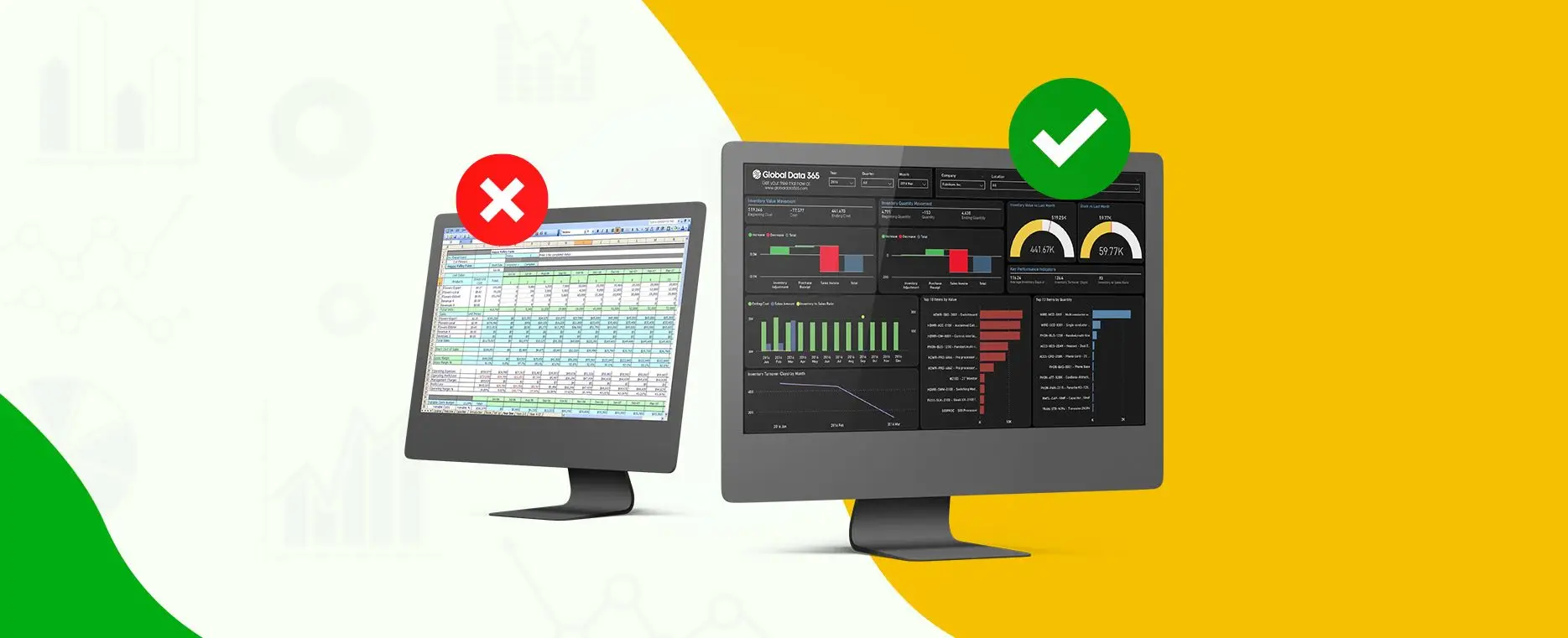
Traditionally, finance teams relied on spreadsheets and manual reports to analyze data. Today, however, the landscape has transformed.


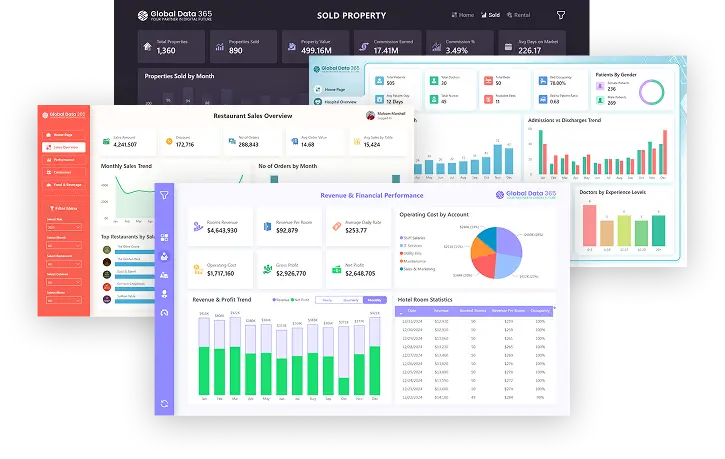
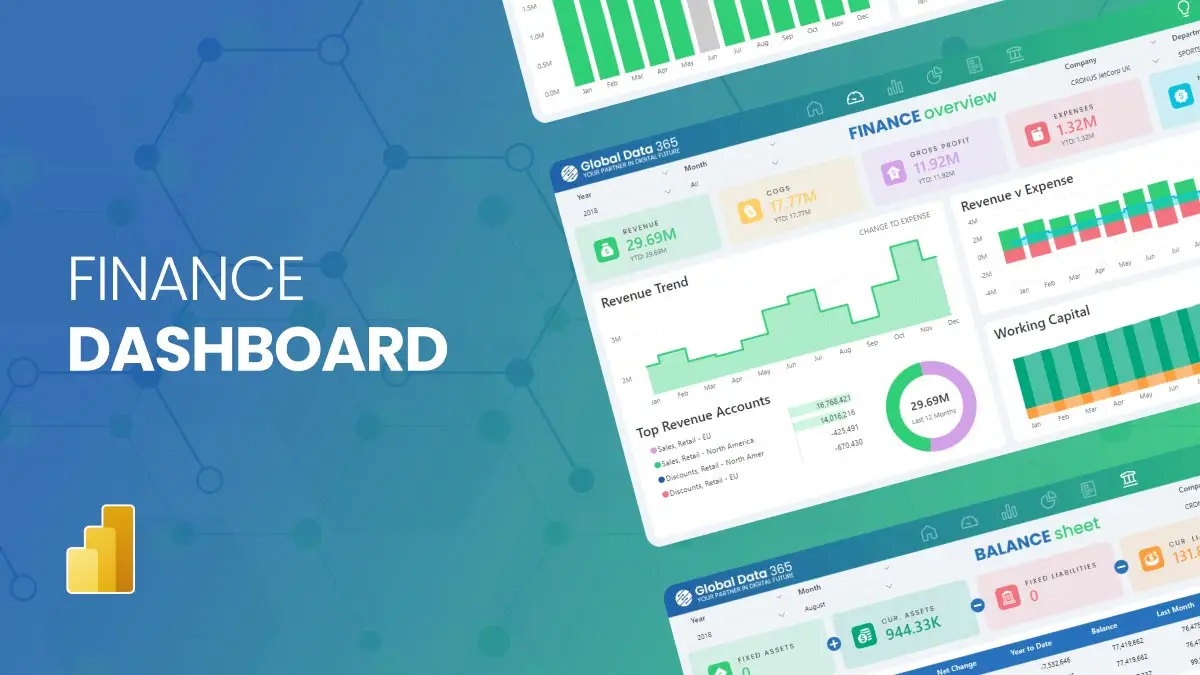
With advanced tools and platforms, companies are moving from static statements to real-time financial dashboards that integrate accounting data and visualize it for faster, smarter decision-making.


A Finance Dashboard allows businesses to:

  • Track revenue, expenses, profit and key KPIs in real time

  • Compare financial performance across months, quarters or departments

  • Visualize cash flow trends, cost distribution and profitability ratios

  • Identify financial risks before they escalate

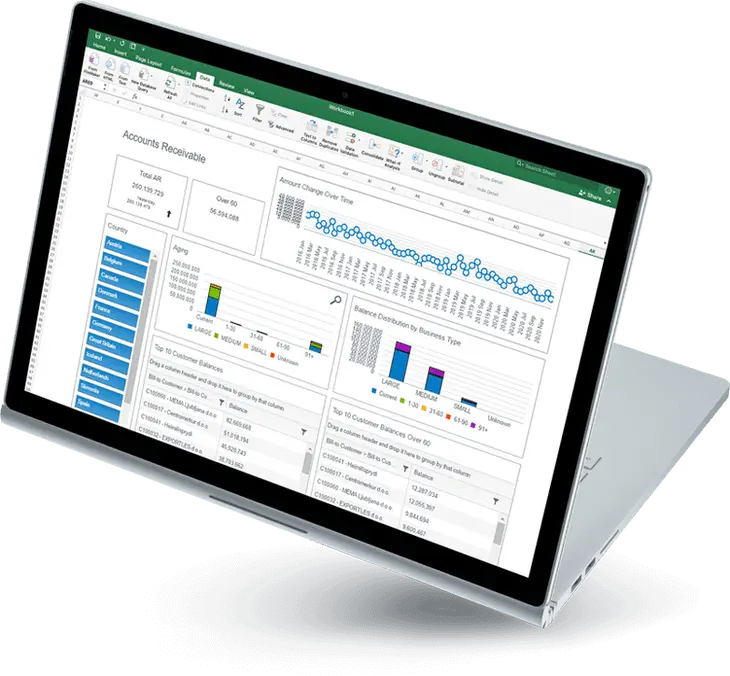
Meanwhile, Accounts Receivable and Payable Dashboards bring additional clarity to cash flow management; providing insights into collections, overdue invoices and upcoming liabilities.


Together, these dashboards transform financial data from static numbers into live insights that empower decision-makers.

The Role of Accounting in Modern Dashboards

For any financial dashboard to be effective, it needs accurate and timely accounting data. Every entry made in the books, from sales invoices to expense receipts, flows into the reporting system.


Here’s how this integration typically works:
Accounting Data → Financial Statements → Dashboard Visualization → Business Insights


This process ensures that dashboards display up-to-date information, helping finance leaders make proactive decisions instead of reacting after the fact.

Best Practices for Effective Financial Reporting

To make financial reporting meaningful and accurate, businesses should focus on these best practices:

  1. Maintain Data Integrity:
    Ensure accounting entries are correct and consistent across systems.

  2. Automate Where Possible:
    Reduce manual errors and save time through automation tools or BI integration.

  3. Standardize Reporting Formats:
    Use consistent templates and metrics (e.g., gross margin %, operating income).

  4. Use Visual Reporting:
    Replace long tables with dashboards for faster interpretation.

  5. Monitor Key Financial KPIs:

    • Gross Profit Margin

    • Return on Assets (ROA)

    • Current Ratio

    • Days Sales Outstanding (DSO)

    • Accounts Payable Turnover

  6. Combine AR & AP Insights:
    Understanding both receivables and payables provides a true picture of liquidity and cash flow health.

Common Challenges and How to Overcome Them

Despite its importance, financial reporting faces several challenges:

  • Data Fragmentation:
    Information scattered across multiple systems or departments.

  • Manual Processes:
    Spreadsheets prone to error and version control issues.

  • Delayed Reporting:
    By the time reports are finalized, the data may already be outdated.

  • Limited Visualization:
    Numbers without context hinder understanding.

Solutions:

  • Use centralized reporting systems or BI dashboards.

  • Integrate accounting and ERP data sources for consistency.

  • Automate data refresh and reporting cycles.

  • Adopt visual storytelling, turning data into actionable narratives.

The Future of Financial Reporting

The next era of financial reporting is data-driven, real-time and predictive.
As artificial intelligence, machine learning, and automation continue to evolve, finance teams will move beyond reporting what happened to predicting what will happen next.


Dashboards will become more interactive, self-updating and intelligent, automatically flagging anomalies, forecasting trends and offering recommendations.


Organizations that embrace this transformation will enjoy:

  • Faster decisions through real-time data

  • Greater accuracy via automation

  • Improved collaboration across finance, sales, and operations

Final Thoughts

Accounting captures the details. Financial reporting gives them meaning. Dashboards bring them to life.


By blending these three dimensions, organizations can move from manual bookkeeping to strategic financial intelligence, where every number tells a story and every report drives action.


In a world where business speed defines success, the future of finance lies not just in reporting the past but in visualizing the future.

Ready for Smarter Industry Decisions? Let’s Talk

Share this blog on:

Search Blog

About Us

Global Data 365 is composed of highly skilled professionals who specialize in streamlining the data and automate the reporting process through the utilization of various business intelligence tools.

Follow us on:

Struggling with complex reports?

Power BI makes it simple!

Industry dashboards

Subscribe to Our Newsletter

Financial Reporting and Accounting: Turning Data into Business Insight Read More »

key features of Finance and operations(F&O)

Key Features of Finance & Operations(F&O): Empowering Enterprise Growth

Key Features of Finance & Operations(F&O)

key features of Finance and operations(F&O)

F&O empowers businesses to streamline complex processes, drive operational efficiency, and make real-time, data-driven decisions. Whether you operate globally or locally, F&O provides the scalability and flexibility needed to support your growth strategy. Let’s explore the key features of Dynamics 365 Finance & Operations(F&O) and how they can help transform your enterprise operations.

Introduction to Dynamics 365 Finance and Operations(F&O)

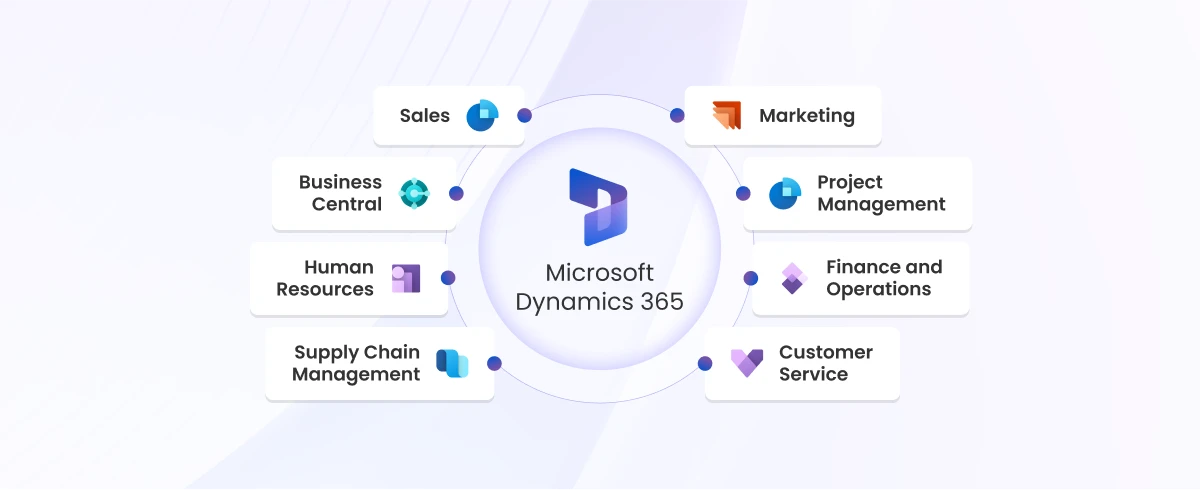
Microsoft Dynamics 365 Finance & Operations (F&O) is a cloud-based enterprise resource planning (ERP) solution designed for medium to large organizations. As part of the Microsoft Dynamics 365 suite, it integrates core business functions; finance, supply chain, manufacturing, human resources and analytics into a single unified platform.

F&O empowers businesses to streamline complex processes, drive operational efficiency, and make real-time, data-driven decisions. Whether you operate globally or locally, F&O provides the scalability and flexibility needed to support your growth strategy.

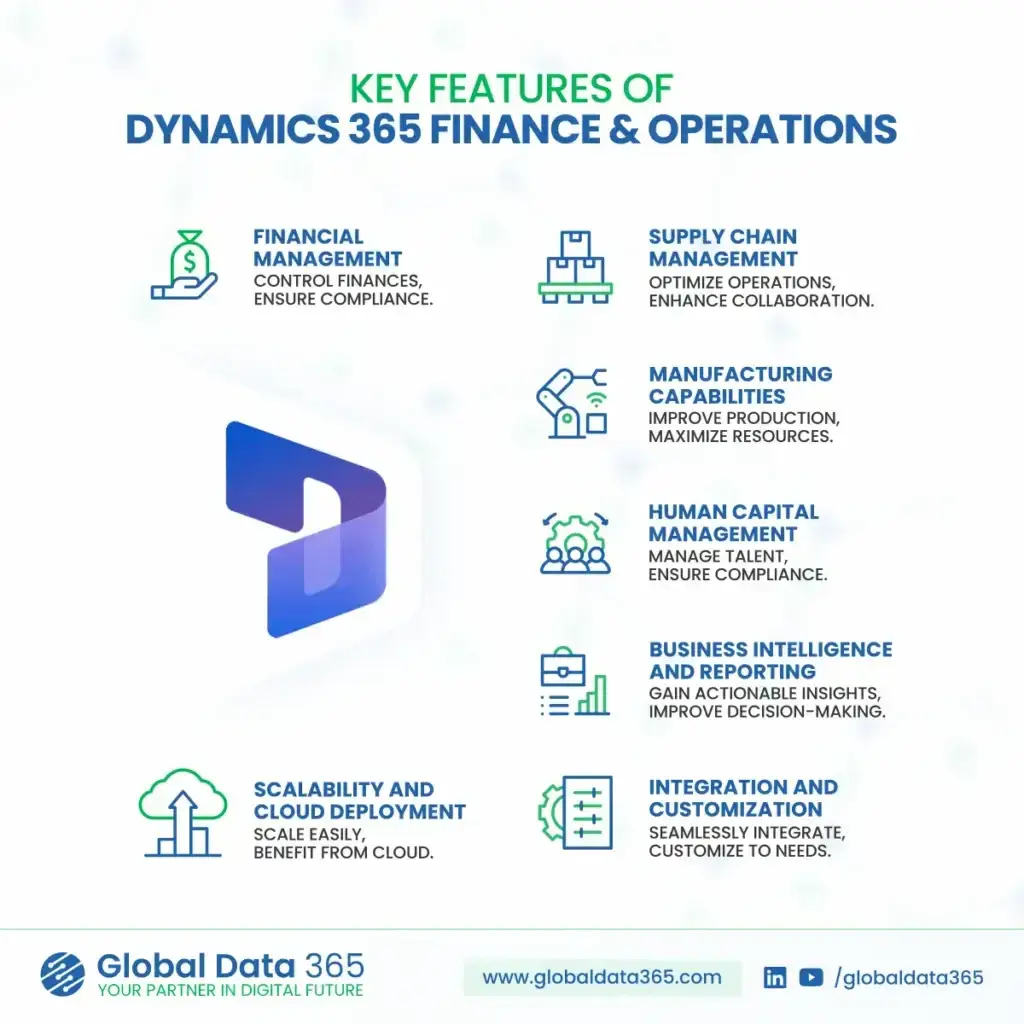
Key Features of Finance and Operations(F&O)

Key Features of finance and operations (F&O)

Financial Management

Gain full control over your organization’s finances and ensure compliance across global operations.


  • General Ledger & Accounting: 
    Automate accounting processes and maintain accurate financial records.

  • Accounts Payable & Receivable: 
    Track payables, receivables and manage credit efficiently.

  • Global Compliance: 
    Ensure regulatory compliance with multi-currency, multi-language, and multi-entity support.

  • Budgeting & Forecasting: 
    Improve financial planning with robust budgeting tools and real-time forecasting.

Supply Chain Management

With powerful tools for inventory, logistics and procurement, F&O helps businesses build a resilient supply chain. It enables faster response to market changes and ensures product availability where it matters most.


  • Procurement & Sourcing:
    Automate purchasing processes and vendor collaboration.

  • Inventory & Warehouse Management: 
    Gain visibility into stock levels, movements and warehouse operations.

  • Logistics & Transportation:
    Optimize routes, manage shipping and reduce delivery costs.

  • Demand Forecasting:
    Predict demand to improve fulfillment and reduce waste.

Manufacturing Capabilities

Dynamics 365 F&O empowers manufacturers with tools to streamline production, reduce downtime and ensure quality. Whether it’s discrete, lean or process manufacturing, the system offers end-to-end visibility and control.


  • Production Control:
    Plan and execute discrete, lean and process manufacturing.

  • Shop Floor Management
    Track real-time operations on the production floor.

  • Resource Optimization:
    Allocate machines, labor and materials efficiently.

  • MRP & BOM Management: 
    Streamline planning with Material Requirements Planning and Bill of Materials.

Human Capital Management

From recruitment to retirement, F&O simplifies human resource operations. It offers a centralized platform to manage employees, foster growth and ensure compliance with labor laws.


  • Core HR Functions:
    Track employee data, benefits, and organizational structure.

  • Payroll Integration:
    Automate payroll processing and ensure accuracy.

  • Performance & Talent Management:
    Develop and retain top talent with integrated performance tracking.

  • Compliance & Reporting:
    Maintain workforce compliance with global regulations.

Business Intelligence & Reporting

Built-in analytics and reporting tools turn raw data into actionable insights. F&O helps businesses make informed decisions with real-time data, dashboards and predictive analytics.


  • Real-Time Dashboards: 
    Monitor KPIs, financial metrics, and operational health at a glance.

  • Advanced Analytics:
    Use embedded Power BI to uncover trends and drive performance.

  • Custom Reports:
    Generate financial and operational reports tailored to your business needs.

  • Data-Driven Decisions:
    Empower teams to make informed choices based on reliable data.

Scalability & Cloud Deployment

Designed to grow with your business, F&O provides the flexibility of cloud-based deployment. It ensures high availability, global reach and scalability without compromising performance.


  • Flexible Deployment:
    Choose between on-premises, cloud or hybrid deployment.

  • Global Scalability:
    Expand operations without compromising performance.

  • Security & Reliability:
    Rely on Microsoft Azure’s enterprise-grade security and uptime.

  • Automatic Updates: 
    Stay current with continuous platform enhancements and security patches.

Integration & Customization

Dynamics 365 F&O seamlessly connects with other Microsoft products and third-party systems. Its flexible architecture allows businesses to tailor processes and workflows to fit their unique needs.


  • Seamless Integration:
    Connect with other Microsoft products like Office 365, Teams, Power BI and more.

  • Low-Code Customization:
    Use Power Platform to build custom workflows and apps.

  • Industry-Specific Extensions:
    Deploy tailored solutions to support your industry’s challenges.

  • API Connectivity:
    Integrate with external systems via REST APIs and data connectors.

In Conclusion

Microsoft Dynamics 365 Finance & Operations offers a powerful, end-to-end ERP solution that enables organizations to unify financials, optimize supply chains, manage production and make intelligent decisions with real-time insights. Whether you’re managing multiple entities across geographies or seeking to scale efficiently with cloud-native solutions, F&O delivers the tools and agility your enterprise needs to lead in today’s competitive market. With the key features of F&O, businesses gain a flexible foundation to drive growth, innovation, and operational excellence.

Ready to transform the way your enterprise operates?

Share this blog on:

Search Blog

About Us

Global Data 365 is composed of highly skilled professionals who specialize in streamlining the data and automate the reporting process through the utilization of various business intelligence tools.

Follow us on:

Still using Jet Basics?

Get Free Upgrade
to Jet Reports

jet services

Subscribe to Our Newsletter

Key Features of Finance & Operations(F&O): Empowering Enterprise Growth Read More »

Financial Reporting vs. Management Reporting. What is the Difference

Financial Reporting vs Management Reporting

Finance Reporting vs. Management Reporting

Financial Reporting vs. Management Reporting. What is the Difference

Reporting is essential to the growth of any business. The reports provide information and insight for the business leader when making strategic choices that impact not only all the departments but also the company, particularly when it comes to financial and management reporting and analysis. An organization benefits from reporting, as it helps them to evaluate progress regarding their business objectives in an enterprise, and to make strategic decisions to lead the business towards future success. 


Many company owners are familiar with the standard financial reports they can expect monthly, but many are not familiar with the types of management reports available that could help boost efficiency and profitability for their companies. There are different kinds of management reports available. 


While there are different kinds of strategies in both financial and management reporting, organizations often search for someone who can work in both. That is why it is crucial to know the differences between financial reporting vs. management reporting. 

What is Financial Reporting?

Financial Reporting is directed towards compliance and is used for external purposes. Financial reporting is the method of shaping business strategies by supplying company stakeholders with financial reports. Financial Reporting can also be created to inform internal decisions. However, documents normally appear somewhat different from the data and contain different details. After that, the financial reports are sent to third parties. Financial Reports includes the usual weekly, monthly and annual reports that businesses get each month, including: 


Profit and Loss Statement 
– Balance Sheet 
– Accounts Payable 
Accounts Receivable 
Cash Flows Statement 


Depending on the time span, these reports will cover multiple time periods. The intent of the report, as well as the third parties requests. For instance, annual financial reports to shareholders will include a three-month time. These reports are crucial for any organization. These reports are used by banks, investors, and regulators to accept loans, lines of credit, and other decisions. In many situations, financial reports are needed to ensure adherence to certain laws or regulations. 


At a given point, these reports represent your company’s financial position. They explain the general impression of the success of your company but fail to provide deeper insight into the details of your business operations. They look backwards and don’t even inform you about the performance of the business in the next month or next year. Modern systems for financial restructuring may be altering this dynamic is due to the accumulation of data in real-time, as well as automated processes of reporting now allow the creation of financial reports that contains details of the current financial reports for your organization. 

What is Management Reporting?

With management reporting, companies can have a deeper insight into the financial health of their organization. Management reports provide more insight than financial reporting into the company’s financial situation, performance, and overview of all departments. Management reporting and analysis provide greater insights, which include the ability to segment and analyse information in a broad range of ways. Some of the ways include: 


  • Profit and Loss by Divisions 
  • Realization Rate 
  • Utilization Rate 

Management Reporting is focused on parts of the business instead of an overall view of the organization. By segmentation, you can get into the specifics and examine the drivers of the business. For instance, an example would be the evaluation of how the Marketing Department operates over a given amount of time, or how much benefit a sales employee has had over a certain month. Though, you might want to make sure that you are receiving the correct reports that your organization requires to drive strategic decision-making. 

Key Comparison: Financial Reporting vs Management Reporting

To enhance the performance and profitability of your business, different types of reporting techniques are available. Even though both contain different techniques, companies require someone who can handle both. 


Compared to financial reporting, management accounting is not compulsory and is used for internal purposes mainly. Rather than relying on general accounting data used to reflect a company’s financial situation, management reporting uses main performance indicators, including metrics to evaluate a business’ return on investment (ROI). 


Depending on what kind of financial reporting you use to inform your business plan, management reports are always a key commodity and are almost inevitably going to surpass financial reports when it comes to receiving greater insights. Whereas financial reports are simpler, management reports are more open-ended. The financial reports are critical for avoiding cash flow challenges and making more figures. To make informed strategic decisions, you will need management reports side by side. It is necessary to ensure the right processes and systems for the execution of apt financial and management reports. 

Importance of Financial and Management Reporting

Some businesses only require financial reports every month for various reasons. Because management reports cost them extra money, they tend not to use them. If your business fails to implement management reporting, you could be losing out on details that will help your business expand or keep you from introducing expensive services that do not offer an ROI. Any business requires financial reporting for compliance, to ensure that the figures add up, and to minimize cash flow. To make informed strategic decisions backed by reliable results, your company will also require management reporting. 


The insights gathered from management reporting and analysis are essential to make informed decisions that might be beneficial and profitable for your business. Management reporting also focuses on future data points that help plan for long-term future projects. Any organization will be interested in getting more insight into the whole company’s activities, which tends to improve success, profit, and productivity. 

Best Practices of Doing Financial and Management Reporting

There is a dire need for creating great reports that provide data to the primary stakeholders. Reports are meant to be easily readable and comprehendible by others, so it does not harm in putting more time into ensuring all these reports make a lasting impression on the target audience. 

Listed below are some of the best practices of creating impactful financial reporting vs management reporting: 


– Eye Appealing Reports: Important stakeholders are always busy. Dry, lengthy reports could end up losing their attention or confusing them when they need to search for the data they require. A well-constructed report will make it easier for the leaders to skim through the required information. 


– Automated Processes: It is essential to use automation to create reports, as it can save time. The less time is taken to produce a report, the quicker it can reach the business leaders. With the real-time aggregation of data pulled from the entire organization, you will have a report that will contain the latest data. 


– Implement Graphics and other Visuals: For a report to catch the reader’s attention, it should include graphics and other visual elements that make it easier to read the report. 


– Point-and-Click Design: You can either recruit a graphic designer to create the visuals on the report or use a point-and-click design to navigate easily through the report and deliver it at the right time. 


– Multiple Reports: By automating processes, you can make multiple reports that address the operations of the entire department separately. This gives the business leaders an overview of all operations. 

In Conclusion

A company’s performance and financial stability rely on both financial reporting vs management reporting. Yet, there are a wide variety of possible results when it comes to producing reports that fulfil their goals and deliver the required data on time to the main stakeholders. 


So, whether you are generating reports for external or internal use, the reports must be created in an easy-to-read format that holds the reader’s attention. Here at Global Data 365, we go beyond basic accounting data and offer BI solutions to companies. We help businesses improve performance and profitability by providing insight into the data gathered in real-time through our reporting and analytics solutions. 


Contact us now and speak to our BI experts. 

Get 30 days free license for Jet Reports.

Share this blog on:

Search Blog

About Us

Global Data 365 is composed of highly skilled professionals who specialize in streamlining the data and automate the reporting process through the utilization of various business intelligence tools.

Follow us on:

Still using Jet Basics?

Get Free Upgrade to Jet Reports

jet services

Subscribe to Our Newsletter

Financial Reporting vs Management Reporting Read More »