Accounts Receivable vs Accounts Payable
Accounts Receivable vs. Accounts Payable: What's the difference?

- Ayesha Binte Habib
Every business transaction tells a story.
Some bring money into your company, while others represent obligations you need to pay. Understanding the difference between accounts receivable (AR) and accounts payable (AP) is crucial for maintaining healthy cash flow, managing working capital, and making smarter financial decisions.
For businesses of all sizes, mastering the balance between accounts receivable vs payable is crucial, it isn’t just about bookkeeping, it’s about gaining a clear picture of financial health, optimizing liquidity and empowering decision-makers with actionable insights. This is where advanced AR and AP dashboards come in, transforming data into decisions.
What Are Accounts Receivable(AR)?
Accounts receivable refers to the money your customers owe you for goods or services delivered on credit. These amounts are considered current assets on your balance sheet because they represent future cash inflows. When your customers pay on time, your cash flow remains steady, working capital stays healthy, and your business is positioned for growth.
Why Accounts Receivable Matters?
Proper accounts receivable management helps businesses:
- Improve cash inflow
- Reduce late payments
- Minimize bad debt
- Maintain healthy working capital
- Monitor customer credit risk
The efficiency of your accounts receivable process directly impacts liquidity. Slow collections can restrict growth, even if your company is profitable on paper.
However, delayed payments can create challenges. Slow collections not only restrict operational cash but can also increase the risk of bad debt, forcing businesses to borrow or dip into reserves. Effective accounts receivable management involves monitoring outstanding invoices, tracking payment behavior, and proactively following up on overdue balances.
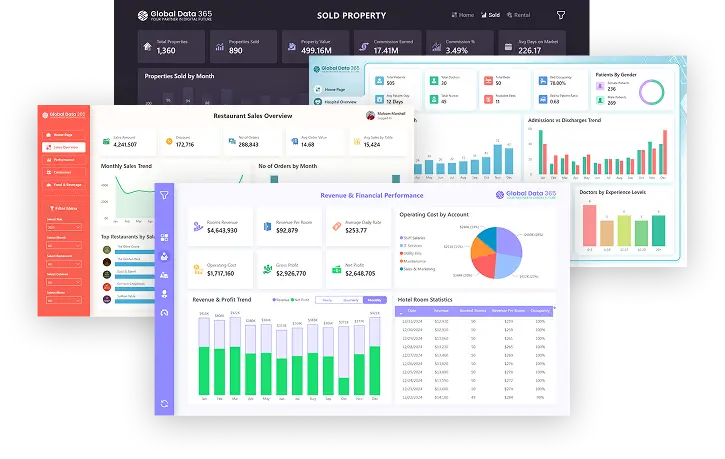
Modern businesses leverage Accounts Receivable Dashboards to visualize their receivables in real-time, analyze overdue invoices, and identify collection opportunities. With the right dashboard, your finance team can quickly pinpoint high-risk accounts, forecast cash inflows, and prioritize collections, all without manual spreadsheet headaches.
You can explore this solution here: Accounts Receivable Dashboard.
What is Accounts Payable(AP) and Its Impact on Cash Flow?
On the other side of the coin, accounts payable represents the money your business owes to suppliers, vendors, or service providers. These obligations are current liabilities, reflecting cash outflows that need to be paid within agreed-upon terms.
Proper accounts payable management ensures that you pay vendors on time, avoid late fees, and maintain strong supplier relationships. Strategic AP practices also allow businesses to optimize cash flow by balancing payment timing without compromising operational efficiency.
Why Accounts Payable Matters?
Strong accounts payable management helps businesses:
- Maintain positive vendor relationships
- Avoid late payment penalties
- Optimize cash outflow timing
- Improve working capital management
- Strengthen financial planning
A well-structured accounts payable process ensures that bills are paid accurately, on time, and without disrupting operations.
With an Accounts Payable Dashboard, finance teams gain complete visibility into outstanding obligations, upcoming payments, and vendor performance. Real-time insights allow businesses to plan cash outflows effectively, take advantage of early payment discounts, and maintain a healthy cash reserve.
Check out the sample report here: Accounts Payable Dashboard.
Accounts Receivable vs Accounts Payable: Core Differences
Understanding AR vs AP becomes easier when viewed side-by-side:
| Feature | Accounts Receivable (AR) | Accounts Payable (AP) |
|---|---|---|
| Meaning | Money customers owe your business | Money your business owes vendors |
| Financial Category | Current Asset | Current Liability |
| Cash Impact | Cash Inflow | Cash Outflow |
| Focus | Invoice collection & credit control | Bill payments & vendor management |
| Risk | Bad debts, overdue receivables | Late fees, damaged supplier relations |
In simple terms:
• Accounts receivable brings money in
• Accounts payable sends money out
Both are equally important for maintaining financial balance.
AR vs AP: Balancing the Cash Flow Equation
The interaction between accounts receivable and accounts payable is the heartbeat of a company’s financial operations. Receivables bring money in; payables manage money going out. When AR is collected efficiently and AP is managed strategically, businesses can maintain liquidity, reduce reliance on debt, and optimize working capital.
Ignoring either side can create financial strain. For example, if receivables are delayed while payables are due, businesses may struggle to meet obligations, damaging supplier trust and incurring penalties. Conversely, focusing solely on AP without actively managing AR limits the funds available to reinvest, grow operations, or seize new opportunities.
This balance is precisely why businesses today turn to interactive dashboards that combine AR and AP insights. By visualizing cash flow from both angles, you gain a complete picture of financial health enabling smarter decisions and faster responses to changing business conditions.
How AR and AP Impact Cash Flow & Working Capital?
One of the most critical aspects of financial management is balancing receivables and payables.
1. Accounts Receivable & Cash Flow
If customers delay payments:
- Cash inflow slows down
- Liquidity decreases
- Business operations may suffer
Monitoring your AR aging report helps identify overdue invoices and take corrective action quickly.
2. Accounts Payable & Cash Flow
If supplier payments are mismanaged:
- Cash reserves may deplete quickly
- Vendor relationships may weaken
- Early payment discounts may be missed
Using an AP aging report ensures you know exactly when obligations are due.
The Ideal Scenario
A financially strong business:
- Collects receivables faster
- Strategically manages payables
- Maintains positive working capital
This balance directly improves financial stability and scalability.
Accounts Receivable Process vs Accounts Payable Process
Accounts Receivable Process
The AR process typically includes:- Customer order confirmation
- Invoice generation
- Invoice delivery
- Payment tracking
- Follow-ups for overdue receivables
- Cash application & reconciliation
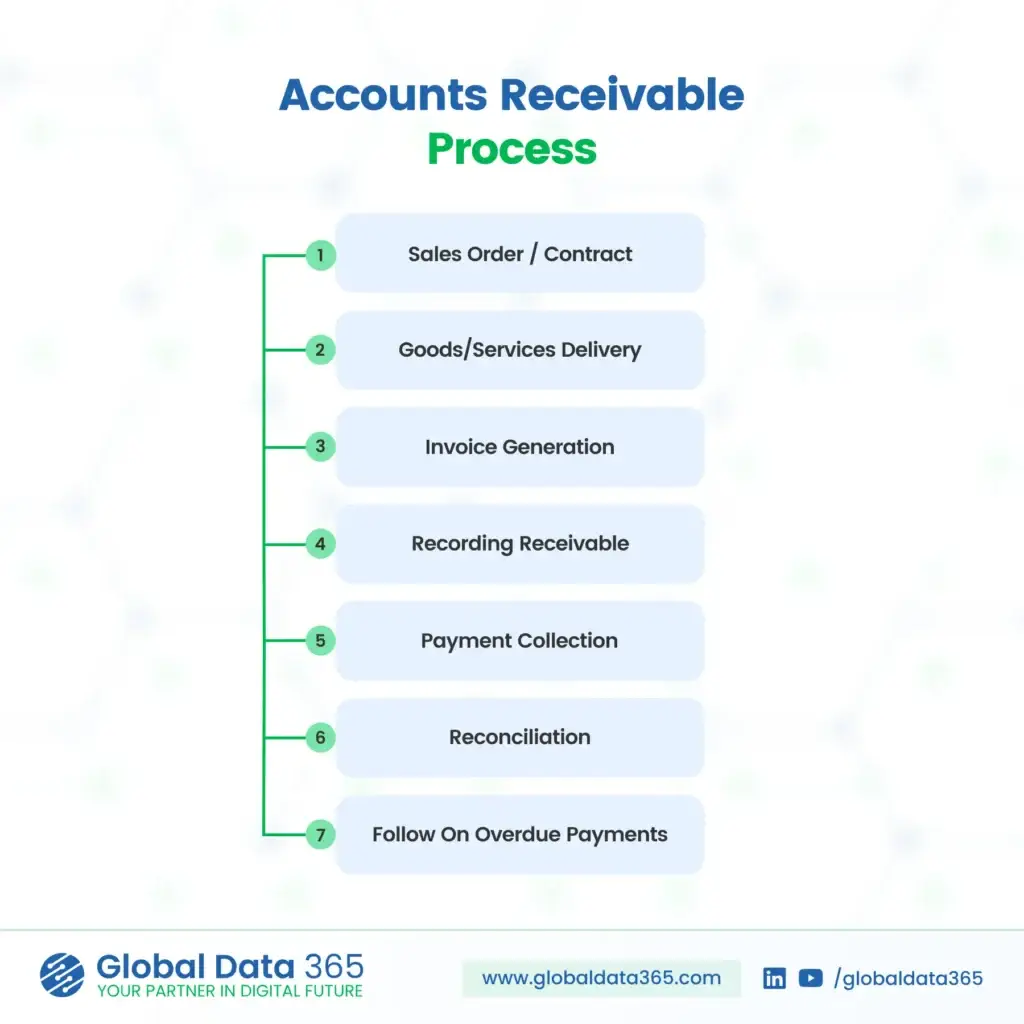
Automation in accounts receivable reduces manual errors and accelerates collections.
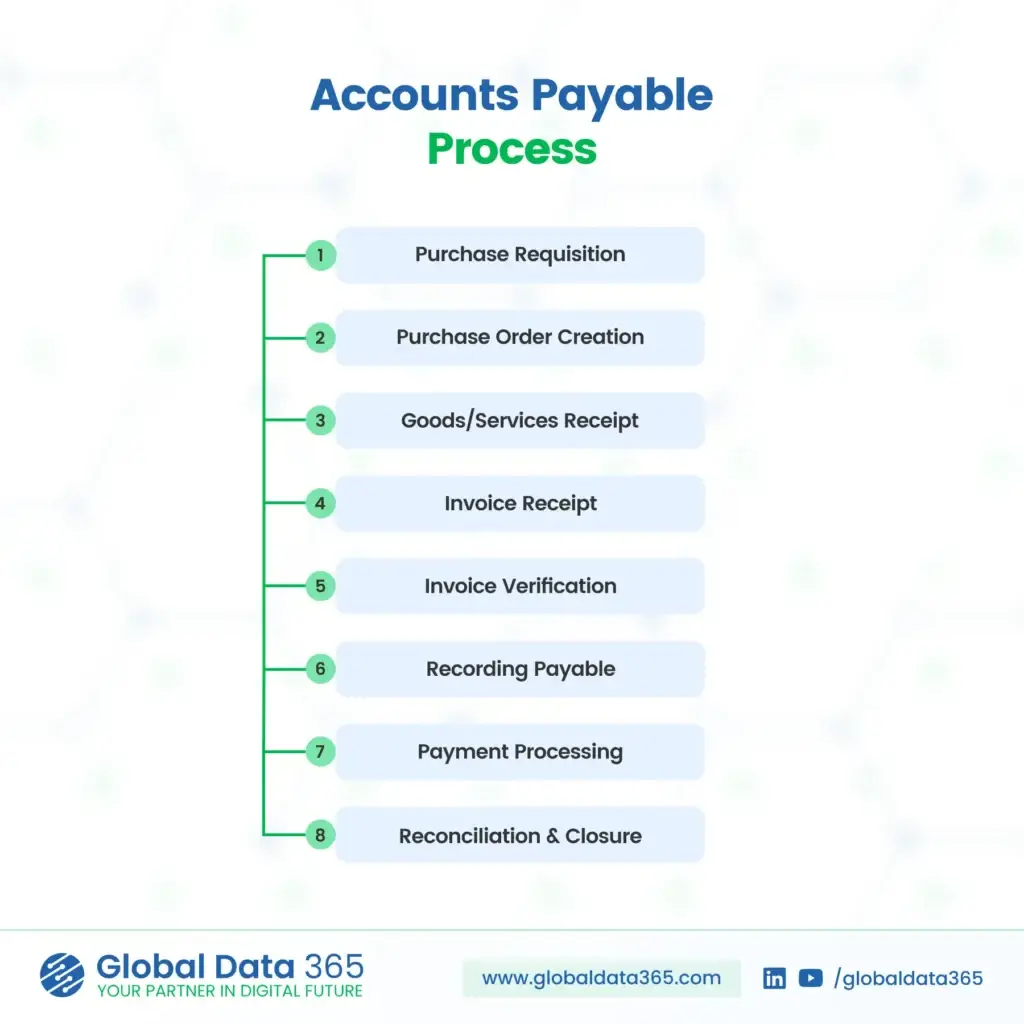
Accounts Payable Process
- Vendor invoice receipt
- Invoice verification
- Approval workflow
- Payment scheduling
- Payment processing
- Recording & reconciliation
Common Challenges in Managing Receivables and Payables
Without proper financial reporting systems, companies often face:
- Lack of visibility into outstanding receivables
- Manual invoice tracking
- Delayed payment follow-ups
- Poor AP approval workflows
- Inaccurate aging reports
- Cash flow forecasting issues
This is where financial dashboards become critical.
Why Businesses Need an AR and AP Dashboard
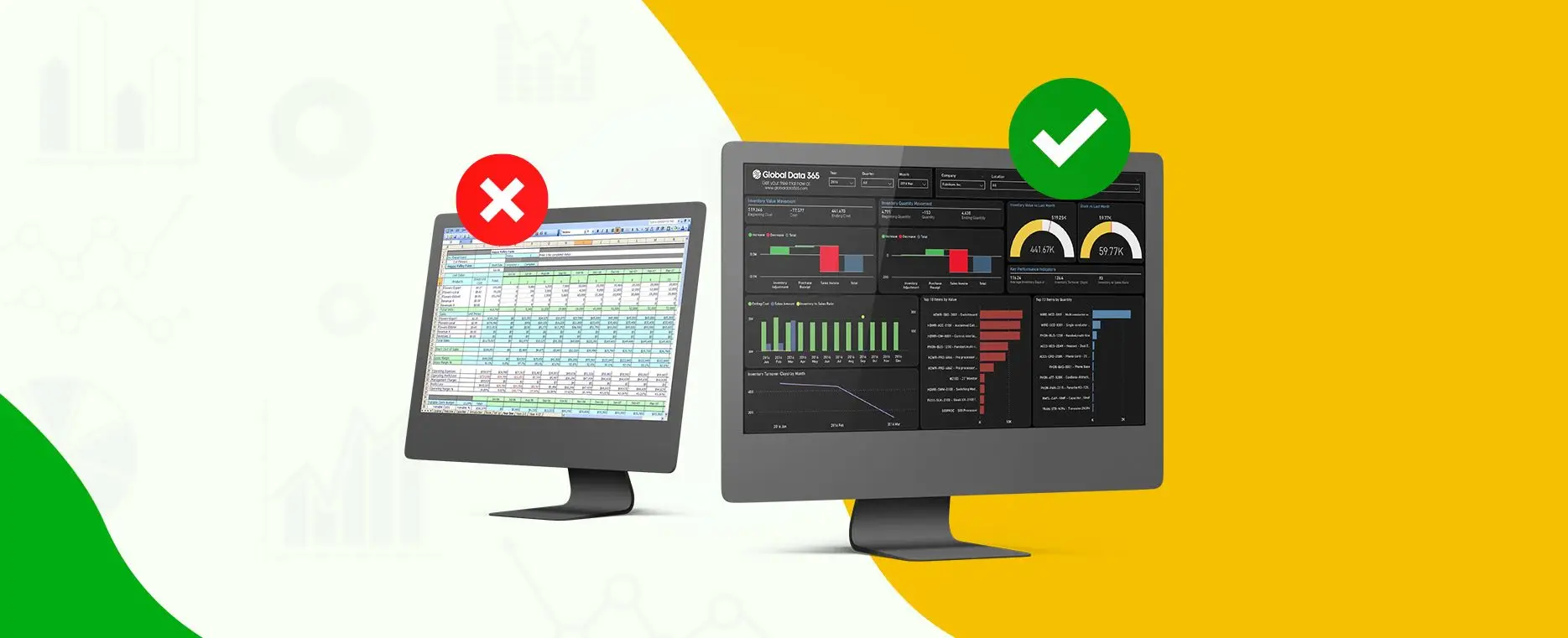
Traditional spreadsheets and manual tracking are slow, error-prone, and offer little insight into real-time performance. In contrast, dashboards provide:
- A single view of receivables and payables
- AR aging reports and AP aging reports to monitor overdue items
- Cash flow forecasting to anticipate liquidity needs
- Actionable insights to prioritize collections or payments
- A clear view of working capital efficiency
For businesses aiming to maintain financial stability while driving growth, investing in a dashboard is no longer optional, it’s a strategic advantage. Our Accounts Receivable and Accounts Payable Dashboards offer precisely this level of insight, transforming raw financial data into clear, actionable intelligence.
Conclusion: Turn Insights into Action
Understanding accounts receivable vs accounts payable is more than an accounting exercise. It’s about controlling cash flow, safeguarding working capital and making informed decisions that drive growth.
With the right processes and real-time dashboards, businesses can move from reactive reporting to proactive financial management. You not only monitor outstanding balances but also uncover patterns, mitigate risks, and strategically plan your cash flow.
Take Control of Your Cash Flow Today
Search Blog
Related Resources