AI vs Human Recruiters: Finding right balance
- Global Data 365
Your resume probably reached a computer before it reached a person. Most companies now run applications through AI-powered recruitment systems, screening applications the moment they come in before a recruiter reviews them. If the match isn’t strong enough, a recruiter may never see it at all.
But that’s only half the process. Once you clear that first filter, AI steps back and a human takes over; reading your background, judging fit, and making the actual hiring call. Getting through both stages means understanding what each one is actually looking for, and that’s exactly what this guide walks through.
What Happens Before A Human Sees Your Resume
An Applicant Tracking System, or ATS, reads your resume the moment you hit submit. It pulls out your skills, job titles, and experience, then compares all of it against the job description to produce a match score. Organizations often combine ATS platforms with HR reporting dashboards to monitor recruitment performance, application volumes, interview pipelines, and hiring efficiency. No one has looked at your resume yet; the software has already decided whether it’s worth passing along.
This isn’t a small-company habit either. Over 90% of large employers now use some form of ATS, and AI use across recruiting has nearly doubled between 2024 and 2026. If you’re applying to a mid-size or large company, you’re almost certainly being scored before being read.
The match number that actually matters
Data from resume-tracking research points to a 75% keyword match against the job description as the sweet spot for getting callbacks. Go lower, and the system may rank you below candidates who used the employer’s exact language. Go too high, close to a 100% match, and it can look like the resume was copied straight from the posting, which raises flags instead of scores.
A CV maker can help here too, giving you a format that’s already built to parse cleanly, so you’re not guessing whether your layout works against you before the content even gets read.
Behind these screening processes, hiring teams rely on HR analytics to understand which job postings, keywords, and recruitment channels attract the strongest candidates.
Why A Person Still Makes The Final Decision?
Once your resume clears the screening stage, the process stops being about scores. A recruiter reads how you communicate, how you talk through your experience, and whether you’d work well with the team you’d be joining. None of that shows up in an ATS report.
What AI simply can't judge?
Cultural fit, tone in an interview, how you handle a tough question on the spot, and back-and-forth during salary negotiation all come down to human judgment. AI can rank a resume, but it can’t sit across from someone and get a feel for how they’d actually work day to day.
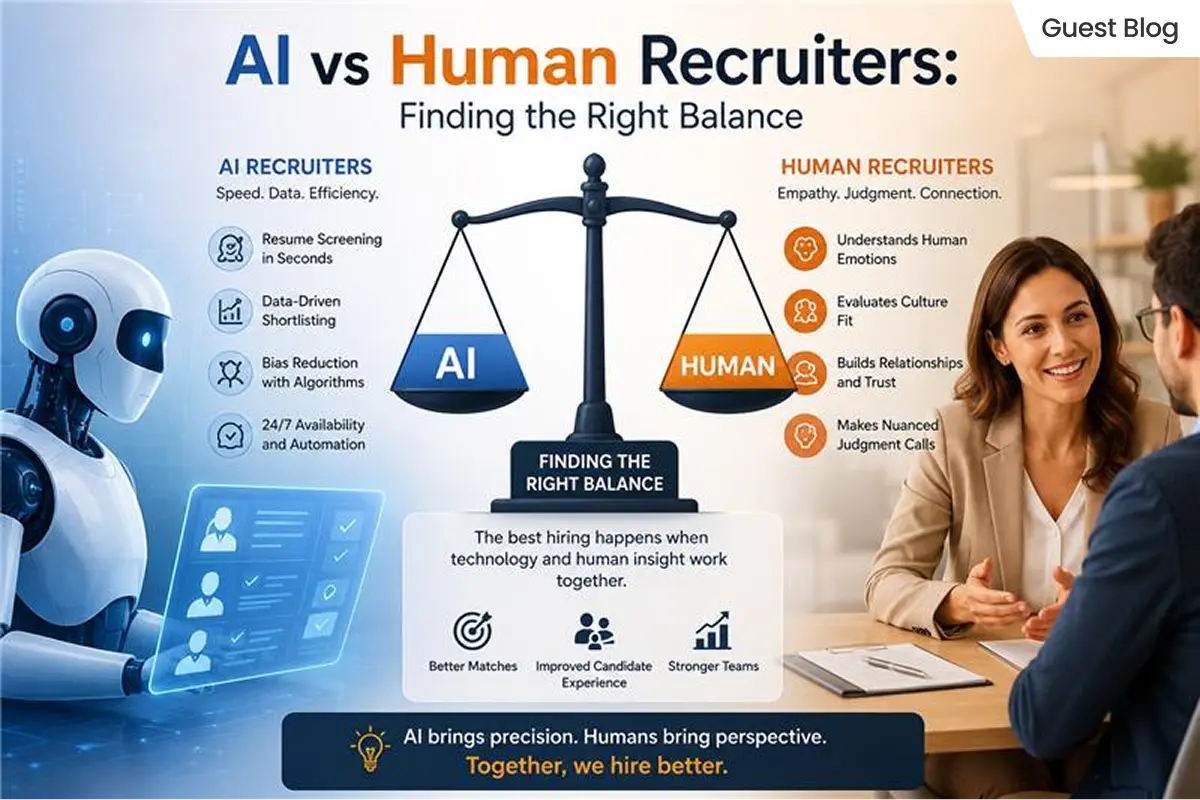
This is the part worth remembering: AI narrows a large pile of applicants down to a manageable shortlist. A person decides who actually gets hired. Passing the algorithm gets you in the room. What happens after that is entirely on you
The Hiring Process - Who's In Charge At Each Stage
Here’s the same idea laid out plainly, so you can see exactly where each side of the process takes over:
Task | Who handles it |
Resume/CV scanning | AI |
Keyword and skill matching | AI |
Interview scheduling | AI |
Cultural fit judgment | Human |
Final hiring decision | Human |
Negotiation | Human |
The pattern is simple: AI handles the volume and the sorting, a person handles the judgment calls. Knowing which side you’re dealing with at each stage changes how you should prepare for it.
Many organizations visualize these recruitment stages using HR KPI dashboards, making it easier to monitor hiring pipelines, recruiter performance, and time-to-fill metrics.
Tips To Pass Both AI And Human
A few practical habits make the difference at both stages, without turning your resume into a keyword-stuffed mess.
Keep the formatting simple, Stick to a single column, standard fonts and clear section headings. Fancy templates with graphics or multiple columns often get misread or scrambled by ATS software, even if they look great to a human eye.
Match the job, not just your career
Tailor your resume for each role instead of sending the same version everywhere. Pull the exact terms the employer uses in the job description, skills, tools, job titles, and use them where they genuinely apply to your experience.
Lead with a short summary
A three or four line summary at the top, listing your role, core skills, and experience level, helps both the AI and the recruiter reading it afterward understand your fit in seconds.
Get the structure right if you're not sure
If you’re not confident building this layout from scratch, a reliable CV maker can keep your formatting clean and ATS-safe while you focus on getting the content right. It’s a practical shortcut, not a replacement for tailoring the content yourself.
Your Profile Works Even When You're Not Applying
Help with your LinkedIn profile is worth considering even if you’re not actively job hunting, since recruiters are searching it directly using AI, often before anyone has applied. Close to half of employers now use AI this way, pulling talent straight from social and professional profiles rather than waiting for job postings to bring candidates in.
What this means for you?
If your profile is outdated or thin on detail, you could be skipped over for roles you’d never even hear about. The same principles from your resume apply here: clear skills, specific experience, and language that matches how recruiters actually search.
Worth getting a second opinion, someone who knows what recruiters and search tools look for can make sure your profile reads well to both. Since it’s doing work in the background at all times, it’s worth getting right rather than leaving it as an afterthought.
When To Bring In Outside Help
Sometimes the problem isn’t your experience, it’s how it’s being presented. If you keep getting filtered out at the resume stage and can’t pinpoint why, that’s usually a sign you need a second set of eyes rather than another rewrite on your own.
At this point, a resume writing service online can be a realistic option, not because your background isn’t strong enough, but because someone who understands how ATS systems and recruiters read resumes can spot what’s holding yours back. It’s a practical fallback when you’ve tried the basics and the callbacks still aren’t coming.
Frequently Asked Questions
How are recruiters using AI in hiring?
Mostly for the repetitive parts: screening resumes, matching keywords to a job description, scheduling interviews, and answering candidate questions through chatbots. The final decisions still sit with a person.
Can AI reject my resume without a human ever seeing it?
Yes. If your resume scores too low against the job description, an ATS can filter it out before a recruiter opens the file. This is why tailoring your resume to each role matters.
Does using AI to help write my resume hurt my chances?
Not on its own. AI can help you draft or organize content, but recruiters can usually tell when a resume sounds generic. The strongest resumes still contain your real experience, specific results, and honest detail.
Is it ethical for companies to use AI in hiring?
It’s widely used and generally accepted, but it comes with responsibility. Companies are expected to keep a human reviewing final decisions and to check their AI tools regularly for bias, rather than letting the software decide alone.
How can I tell if a recruiter is using AI during the process?
Automated scheduling emails, chatbot replies to your questions, or an early “screening call” that feels scripted are usually signs AI is involved at that stage. A later interview with a real person is where human judgment takes over.
Getting The Balance Right
AI and human recruiters aren’t competing for control of your application. They’re just handling different parts of it. One sorts and scores, the other reads and decides. Once you know which one you’re writing for at each stage, the rest becomes far less confusing. Get the formatting and keywords right for the algorithm, then let your actual experience and communication do the work once a person is reading.